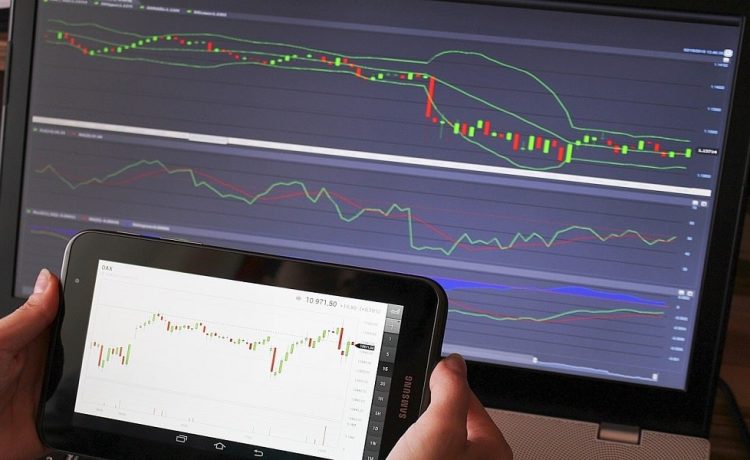
A Demat trading account is an important requirement for investors who want to buy, sell, and hold shares in electronic form. It combines two important functions: storing securities digitally and enabling stock market transactions through a trading platform. This setup makes equity handling more convenient, transparent, and organized.
Earlier, investors had to manage physical share certificates and offline documentation. This process was time-consuming and carried risks such as damage, loss, or delays in transfer. With a Demat trading account, shares are stored electronically, and transactions can be completed through online platforms. This has made stock market participation easier for beginners, long-term investors, and active traders.
What Is a Demat Trading Account?
A Demat trading account usually refers to the combined use of a Demat account and a trading account. A Demat account holds shares and securities in electronic form. A trading account allows investors to buy and sell those securities through the stock exchange.
When an investor buys shares, the trading account processes the transaction, and the purchased shares are credited to the Demat account after settlement. When the investor sells shares, the shares are debited from the Demat account, and the sale proceeds are processed through the trading account.
Both accounts work together to create a smooth online investment process.
Why a Demat Trading Account Is Important
A Demat trading account is important because investors cannot directly buy or sell shares on the exchange without proper account access through a registered broker or platform. The trading account provides market access, while the Demat account safely stores securities.
This account setup helps investors manage shares, ETFs, bonds, and other eligible securities in one place. It also reduces paperwork and provides digital records of holdings and transactions.
For investors who want to build a long-term equity portfolio, a Demat trading account is the foundation of stock market investing.
How a Demat Trading Account Works
The process starts when an investor opens a Demat and trading account with a registered platform. After completing KYC and linking a bank account, the investor can add funds and start placing orders.
When the investor places a buy order, the trading platform sends the order to the stock exchange. If the order is executed, shares are credited to the Demat account after settlement. The investor can view these shares under holdings.
When the investor sells shares, the trading account processes the sale, and the shares are debited from the Demat account. The sale amount is credited according to the settlement cycle.
Key Features of a Demat Trading Account
A Demat trading account should provide easy access to holdings, order placement, portfolio tracking, transaction history, and account statements. These features help users manage equity transactions more efficiently.
Electronic Share Holding
Shares are stored in digital format, reducing the need for physical certificates. This improves safety and makes tracking easier.
Online Order Placement
Users can buy and sell shares through a mobile app or web platform. This makes market participation faster and more convenient.
Portfolio Tracking
Investors can review invested value, current value, gains, losses, and stock-wise performance from one dashboard.
Transaction Records
A Demat trading account keeps records of buy and sell transactions. These records are useful for review, reporting, and tax-related purposes.
Account Statements
Users can access holding statements and transaction statements to verify account activity.
Benefits of Using a Demat Trading Account
A Demat trading account offers several benefits for equity investors. It saves time, reduces paperwork, improves transparency, and allows investors to manage holdings from one place.
One major benefit is convenience. Investors can place orders, track holdings, and review portfolio performance without visiting a broker’s office.
Another benefit is better record management. Since transactions are recorded digitally, investors can check past trades, holding details, and account activity whenever needed.
It also reduces the risk of physical share certificate issues such as loss, theft, damage, or signature mismatch.
Demat Trading Account for Long-Term Investors
Long-term investors use a Demat trading account to hold shares over several months or years. The account helps them track stock performance, dividends, corporate actions, and portfolio value.
For long-term investors, regular portfolio review is important. A Demat trading account makes this easier by showing all holdings in one place. Investors can identify which stocks are performing well and which ones need attention.
Long-term investors should focus on company fundamentals, valuation, sector outlook, and financial goals rather than daily price movement.
Demat Trading Account for Active Traders
Active traders use a Demat trading account to place frequent buy and sell orders. They may use charts, price alerts, market data, and order types to manage trades.
However, active trading carries higher risk than long-term investing. Traders should understand market volatility, brokerage costs, stop-loss usage, and capital management before trading frequently.
Easy access to trading does not mean every market movement should become a trade. Users should follow a clear strategy.
Role of Brokers in Account Access
A broker or trading platform connects investors to the stock exchange. The broker provides the trading interface, order execution, account reports, and support services.
Some investors may also look for an Etf Broker if they want to invest in exchange-traded funds along with direct stocks. ETFs are traded on stock exchanges like shares and can be held in a Demat account.
Before choosing any broker, investors should check charges, platform stability, security features, customer support, and available investment products.
Documents Needed to Open a Demat Trading Account
To open a Demat trading account, users generally need PAN, identity proof, address proof, bank account details, income proof in some cases, and a photograph. Most platforms now allow online KYC, which makes account opening faster.
Users should ensure that all details match official records. Incorrect information may delay account approval or create issues during transactions.
The linked bank account should belong to the account holder. This helps ensure smooth fund transfers and withdrawals.
Charges Related to a Demat Trading Account
A Demat trading account may include several charges. These can include account opening charges, annual maintenance charges, brokerage, transaction charges, securities transaction tax, GST, stamp duty, and depository participant charges.
Charges vary across platforms. Some brokers may offer zero account opening charges or low brokerage plans, while others may charge based on transaction type.
Investors should review the full charge structure before opening an account. Low brokerage is useful, but users should also check service quality, app performance, and support.
Security Practices for Account Users
Since a Demat trading account handles financial assets, users should follow safe practices. They should use strong passwords, enable two-factor authentication, and avoid sharing OTPs, login details, or transaction PINs.
Investors should download apps only from official sources and avoid using public Wi-Fi for trading or fund transfers. Regularly checking account statements can also help identify any unusual activity.
If users notice unauthorized transactions, they should contact the broker or depository participant immediately.
Common Mistakes to Avoid
One common mistake is opening an account without comparing charges and features. Another mistake is trading frequently without understanding risk.
Some users also ignore account statements and do not verify holdings regularly. This can create confusion later. Investors should review holdings, transactions, and fund balances periodically.
Another mistake is buying stocks only because they are trending. A Demat trading account gives access to the market, but investment decisions should still be based on research.
Using Digital Apps for Broader Investment Tracking
Many investors manage multiple investment products along with stocks. An Mf App can help users track mutual fund investments separately or alongside equity exposure. This is useful for investors who want to balance direct stock investing with diversified fund-based investing.
Using digital tools for both stocks and mutual funds can make financial tracking more organized. However, investors should understand the risk and return profile of each product before investing.
Conclusion
A Demat trading account helps investors hold shares electronically and place equity transactions through a digital platform. It reduces paperwork, improves transparency, and makes stock market participation more convenient. Whether used for long-term investing or active trading, the account should be handled with research, discipline, and proper risk management. Before opening an account, investors should compare charges, security features, platform quality, and support services. A reliable Demat trading account can support smoother equity handling when used responsibly.
FAQs
What is a Demat trading account?
A Demat trading account refers to the combined use of a Demat account for holding securities and a trading account for buying and selling shares.
Is a Demat account different from a trading account?
Yes. A Demat account stores shares electronically, while a trading account is used to place buy and sell orders in the stock market.
Do I need a Demat trading account to buy shares?
Yes, investors need a Demat account to hold shares and a trading account to place market transactions.
What documents are required to open a Demat trading account?
Common documents include PAN, identity proof, address proof, bank account details, photograph, and KYC information.
Is a Demat trading account safe?
A Demat trading account can be safe when opened with a registered platform and protected with secure login, two-factor authentication, and regular account monitoring.