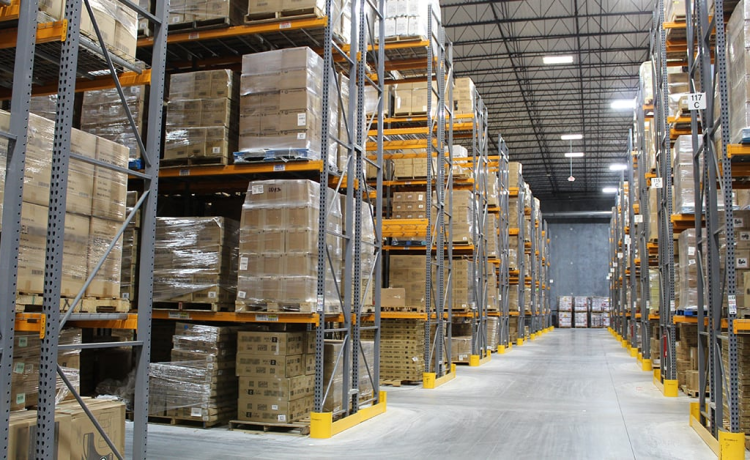
Businesses operating in ecommerce and omnichannel retail face increasing pressure to deliver orders faster, more accurately, and at lower costs. 3PL warehousing has emerged as a powerful solution to meet these demands. By outsourcing storage, inventory management, and order fulfillment to specialized providers, companies gain access to advanced logistics capabilities without the burden of building and maintaining their own infrastructure. This approach allows businesses of all sizes to scale efficiently, compete more effectively, and respond quickly to changing market conditions.
Significant Cost Savings Through 3PL Warehousing
One of the most compelling advantages of 3PL warehousing is the reduction in operational costs. Outsourcing logistics eliminates the need to invest in warehouse facilities, equipment, and in-house labor, shifting those expenses to a shared model. Because 3PL providers serve multiple clients, they can leverage economies of scale to reduce transportation and shipping costs, savings that are passed on to businesses. The pay-as-you-go pricing structure also minimizes capital expenditures and aligns costs with actual demand, offering greater financial flexibility during both peak seasons and slower periods.
Scalability and Flexibility to Support Business Growth
3PL warehousing offers unmatched scalability, allowing businesses to adjust operations quickly in response to demand fluctuations. Whether managing seasonal spikes, promotional surges, or long-term growth, 3PLs provide the space, labor, and systems needed without requiring permanent commitments. Many providers operate multiple fulfillment centers, enabling faster delivery by positioning inventory closer to customers. This flexibility also helps businesses adapt to supply chain disruptions by rerouting shipments or reallocating inventory, ensuring continuity and reducing operational risk.
Access to Logistics Expertise and Advanced Technology
Partnering with a 3PL provides immediate access to industry expertise and sophisticated logistics technology. These providers bring deep knowledge of compliance requirements, shipping regulations, and operational best practices that can be difficult to manage internally. Advanced systems such as warehouse and transportation management platforms improve inventory accuracy, streamline workflows, and enhance visibility across the supply chain. Real-time data and performance insights empower businesses to make informed decisions, while automation tools increase efficiency and reduce fulfillment errors.
Greater Focus on Core Business Operations
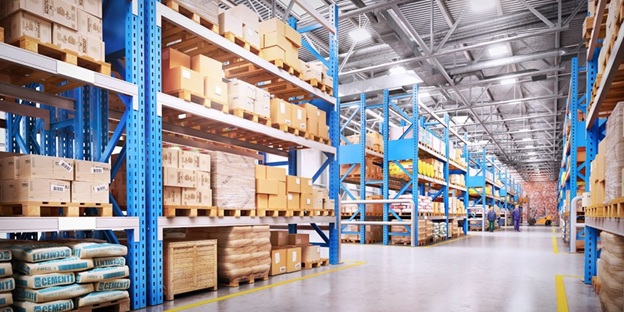
Outsourcing warehousing and fulfillment allows businesses to redirect time and resources toward strategic priorities. Rather than managing day-to-day logistics tasks, internal teams can focus on product development, marketing, customer engagement, and revenue growth. With fulfillment operations handled by specialists, companies can move faster, launch new products more efficiently, and reduce operational complexity. This shift enables stronger organizational focus and supports long-term business innovation.
Improved Customer Satisfaction Through Optimized Fulfillment
Customer expectations for fast, reliable, and accurate delivery continue to rise, and 3PL warehousing helps businesses meet these standards consistently. Efficient order processing and strategically located warehouses shorten delivery times and reduce shipping errors. Real-time tracking and proactive communication enhance transparency, while value-added services such as customized packaging and kitting elevate the overall customer experience. By improving fulfillment performance, businesses build trust, reduce returns, and strengthen customer loyalty.
Reduced Risk and Easier Market Expansion
3PL warehousing also plays a critical role in risk management and expansion strategies. With diversified warehouse networks and multiple carrier options, 3PLs help mitigate disruptions caused by delays, labor shortages, or transportation issues. They also support compliance with regional regulations and international shipping requirements, reducing legal and financial exposure. For businesses looking to enter new markets, 3PLs provide a faster and lower-risk path by offering established infrastructure and operational support without the need for large upfront investments.
Conclusion
3PL warehousing is more than a logistics solution—it is a strategic advantage for modern businesses. By reducing costs, enabling scalable growth, and providing access to expertise and technology, 3PL partnerships transform fulfillment into a driver of efficiency and competitiveness. Improved customer experiences, stronger supply chain resilience, and easier market expansion position businesses for sustainable success in an increasingly demanding ecommerce landscape.