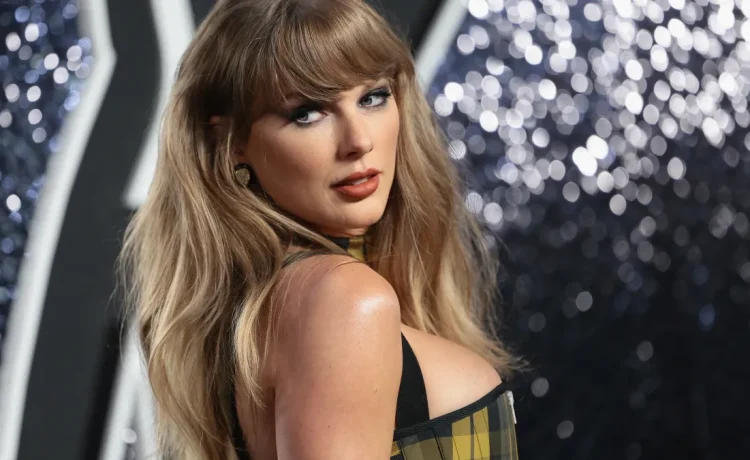
As of March 2026, Taylor Swift’s net worth is estimated at $2 billion. This milestone makes her the wealthiest female musician in the world, surpassing Kim Kardashian. Her wealth is uniquely built on a foundation of music-related assets rather than beauty or fashion lines; major drivers include the unprecedented success of The Eras Tour, her massive streaming royalties, and a music catalog now valued at approximately $900 million following her strategic “Taylor’s Version” re-recordings.
Taylor Swift’s net worth is estimated at approximately $1.1 billion as of 2024, making her one of the very few musicians in history to reach billionaire status primarily through their art and music catalog.
Where Her Wealth Comes From
|
Income Stream |
Estimated Contribution |
Details |
|---|---|---|
|
Eras Tour |
~$600M+ |
Highest-grossing tour in history |
|
Music catalog (re-recordings) |
Major |
Taylor’s Version ownership strategy |
|
Streaming royalties |
~$80M+ annually |
Most-streamed artist on Spotify multiple years |
|
Merchandise |
$100M+ per year |
Eras Tour merch alone was record-breaking |
|
Real estate portfolio |
~$150M |
Properties across Nashville, New York, Beverly Hills, Rhode Island |
|
Film/TV/brand deals |
Supplementary |
Selective partnerships |
|
Publishing rights |
Significant |
Controls her re-recorded masters |
The Eras Tour – The Engine of Billionaire Status
The Eras Tour is the financial cornerstone of Swift’s billionaire status. By the time it concluded in late 2024, it had grossed over $2 billion in ticket sales – by a significant margin the highest-grossing concert tour in history. The previous record holder was Elton John’s Farewell Yellow Brick Road tour at approximately $939 million.
Beyond ticket sales, the economic impact of the Eras Tour on host cities was measured in billions – hotels, restaurants, and local businesses saw spikes economists dubbed the “Taylor Swift Effect.”
The Catalog War – Why She Re-Recorded Everything
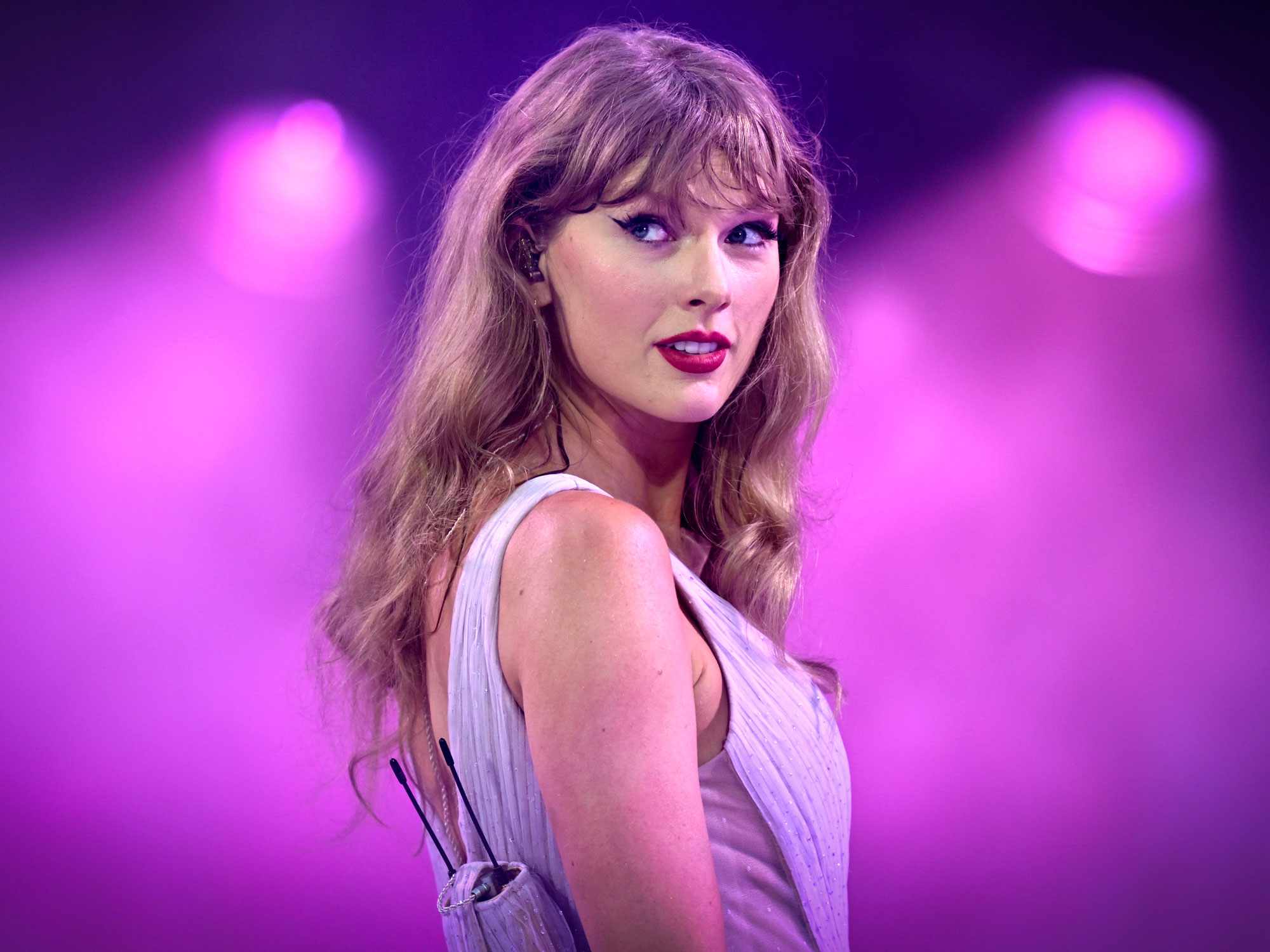
When music manager Scooter Braun acquired Big Machine Records in 2019, he acquired the masters (original recordings) of Swift’s first six albums. Swift’s response was to re-record all six albums as “Taylor’s Version” – creating new masters she owns completely.
This was a brilliant financial and strategic move:
- Streaming services now stream Taylor’s Version by default
- Licensing deals for TV, film, and advertising go to her versions
- The original masters have effectively been commercially sidelined
The re-recording project didn’t just make a point – it generated significant ongoing revenue for masters she now controls.
Billionaire Comparison: How Rare Is This?
|
Artist |
Net Worth |
Primary Wealth Source |
|---|---|---|
|
Taylor Swift |
~$1.1 billion |
Music, touring, catalog |
|
Rihanna |
~$1.4 billion |
Fenty Beauty (primarily) |
|
Paul McCartney |
~$1.3 billion |
Catalog + long career |
|
Jay-Z |
~$2.5 billion |
Music + business empire |
|
Dr. Dre |
~$500M |
Beats by Dre acquisition (cash) |
Swift is notably different from many wealthy celebrities in that her billionaire status comes from her actual craft rather than a separate business venture. Rihanna’s wealth is Fenty Beauty. Jay-Z’s is largely Armand de Brignac and D’Ussé. Swift’s is genuinely the music.
What $1.1 Billion Actually Means (Put in Perspective)
- At a conservative 5% annual return, Swift’s wealth generates approximately $55 million per year while she sleeps
- Her Eras Tour grossed more than the GDP of several small nations
- The Re-Recordings strategy may have been the most financially successful artist reclamation project in music industry history
Bottom Line
Taylor Swift’s net worth of approximately $1.1 billion is the product of extraordinary commercial success, smart business decisions, and an unusually direct relationship between artistic output and financial reward. The Eras Tour supercharged a trajectory that was already exceptional. Her re-recording strategy demonstrates a business acumen that goes well beyond what most artists apply to their careers. She didn’t just become a billionaire – she became one in a way that may reshape how the next generation of artists thinks about ownership, touring, and catalog control.